
knowledge is the foundation of health
BLOG
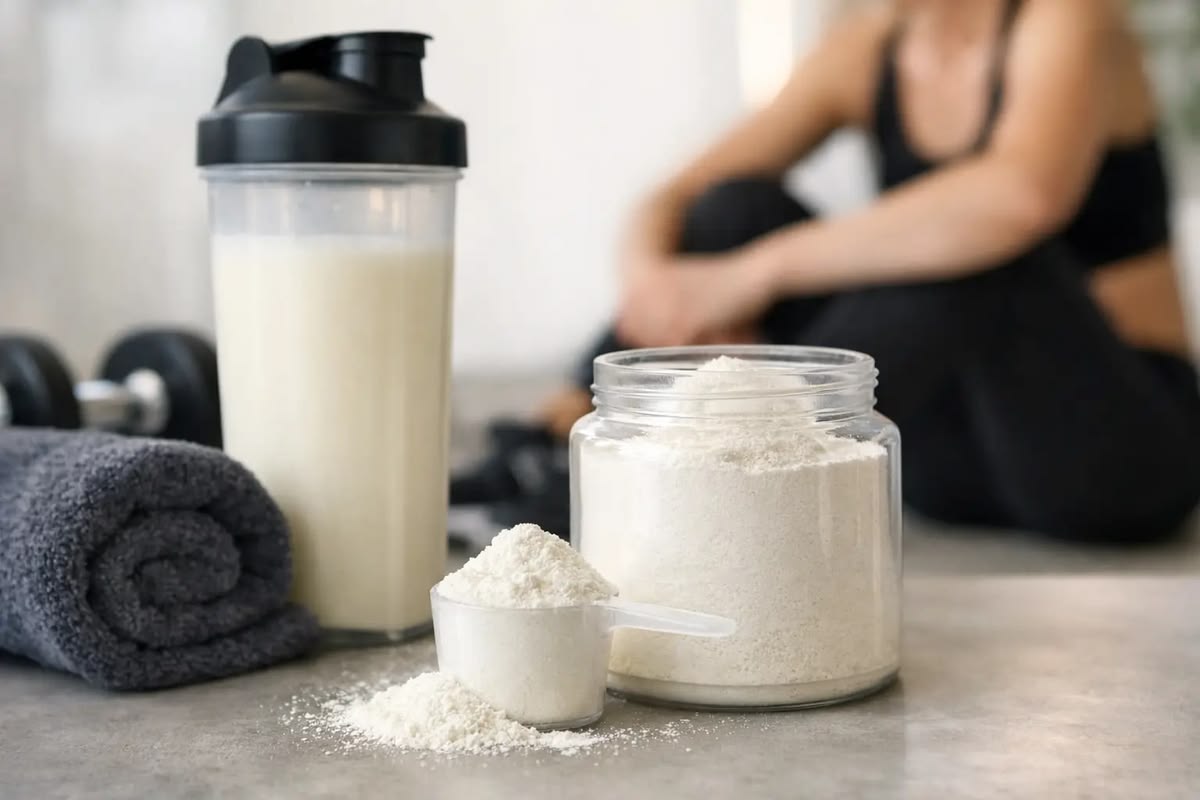
Protein Powder vs Collagen
A question we get reguarly in the studio, so thought it was time to make a newsletter out of it! Hopefully this helps to answer (and debunk) some of those questions, giving you the tools to make your own informed decisions.

Protein Powder: For Strength, Recovery & Muscle
Protein is one of the most important nutrients for your body, especially if you're exercising regularly.
Every time you complete a session your muscles experience tiny amounts of stress. Protein provides the building blocks your body needs to repair and rebuild those muscles, helping you to progress over time.
Getting enough protein becomes even more important as we age, as we naturally begin to lose muscle mass from our 30s onwards. Combined with regular strength training, adequate protein helps preserve muscle, support bone health and keep us strong and independent for years to come.
Protein powder is simply a convenient way to increase your daily protein intake when whole food isn't practical.
Protein powder may help:
• Build and maintain lean muscle
• Improve recovery after exercise
• Support bone health
• Keep you feeling fuller for longer
• Support a healthy metabolism
• Make it easier to meet your daily protein target
Most quality protein powders arecomplete proteins, meaning they contain all nine essential amino acids your body needs.
When should you take it?
The best time is whenever it helps you reach your daily protein intake.
Many people use it:
• Within 1-2 hours after exercise
• As part of breakfast
• As an afternoon snack
Remember, it's called asupplementbecause it supplements your diet. Whole food should still be your primary source of protein whenever possible.

Collagen: For Joints, Skin & Connective Tissue
Collagen is actually the most abundant protein in your body.
It's found in your:
• Tendons
• Ligaments
• Cartilage
• Bones
• Skin
• Hair
• Nails
As we age, our natural collagen production gradually decreases, which is one reason why our skin changes and our joints may not feel quite as forgiving.
Collagen supplements provide specific amino acids that help support the body's connective tissues.
Collagen may help support:
• Healthy joints
• Tendons and ligaments
• Skin elasticity
• Hair and nails
• Bone health
• Recovery of connective tissue
Unlike a protein powder, collagen powder isnot a complete protein. While it's still a protein, it doesn't contain all of the essential amino acids your body needs, so it shouldn't replace your daily protein intake.

Can You Take Both?
Absolutely.
In fact, many people benefit from using both because they have different purposes. Simply add collagen to your daily protein shake and get the benefits of both.

Whole Foods Still Come First
While supplements can be incredibly convenient, they should never replace a balanced diet.
Aim to get most of your protein from foods like:
• Lean meats
• Fish
• Eggs
• Greek yoghurt
• Cottage cheese
• Tofu and legumes
• Milk
Supplements simply help fill the gaps.

Connect
Join Our Newsletter
Free content including educational articles, recipes and valuable guides, & first in access to our special offers. Rest assured, no spam - only enriching, wholesome content.

© 2026 be strongHer - Terms and Conditions - Privacy Policy - Disclaimer
Facebook
Instagram